
Chemical-free paraffin, scale & corrosion control

Keep the well flowing. Leave the chemicals off site.

Rhino Flo is a passive downhole tool that keeps paraffin, scale and corrosion from building up in your tubing. That means fewer hot-oil jobs, fewer chemical deliveries, fewer trucks on lease roads and fewer crews standing next to hot, pressured equipment.

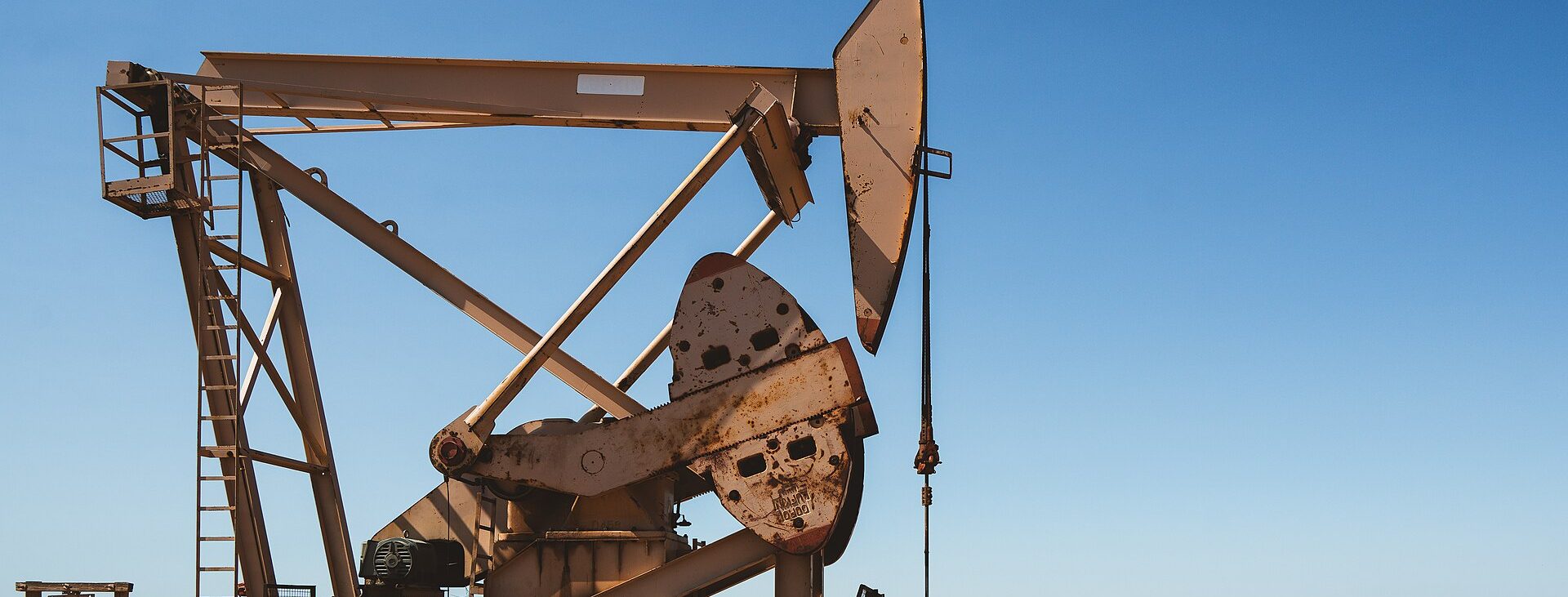
Pumpjacks at sundown, Lost Hills, California
No chemicalsNo electricityNo moving partsNo elastomersRun once on a normal tubing job
Results documented by operators including Shell NigeriaPemexPDVSATrinmar

What one treated well can take off the road

Every treatment you skip is a truck, a crew and a drum that never show up.

0GAL

Chemicals added downhole by the tool. It works by flow alone.

~15TRIPS

Service-truck trips avoided per well, per year, on a well treated every 45 days.

~100GAL

Treatment chemicals per well, per year, that no longer need to be bought, hauled, handled or disposed of.

~4T CO₂

Tailpipe and hot-oil-unit emissions avoided per well, per year.

Estimates for a typical paraffin well treated about every 45 days, from Rhino Flo's well-maintenance and environmental models. Your numbers depend on your current program; we build them from your own maintenance log during a pilot.

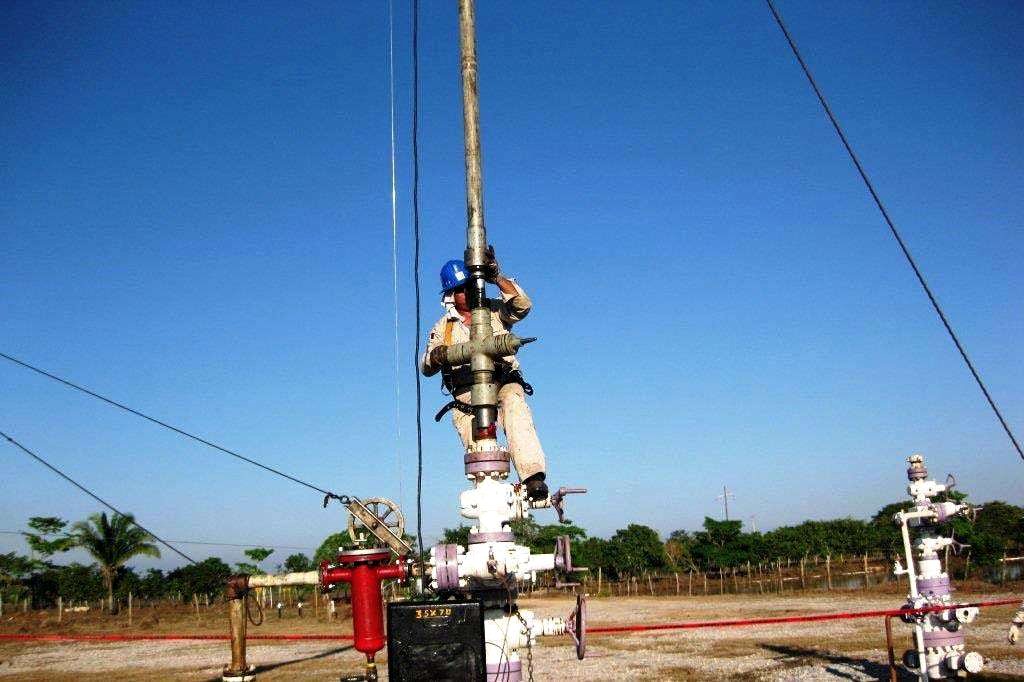
A field hand in a hard hat working high on a wellhead as tubing is run, under a clear blue sky
Running tubing on a field installation
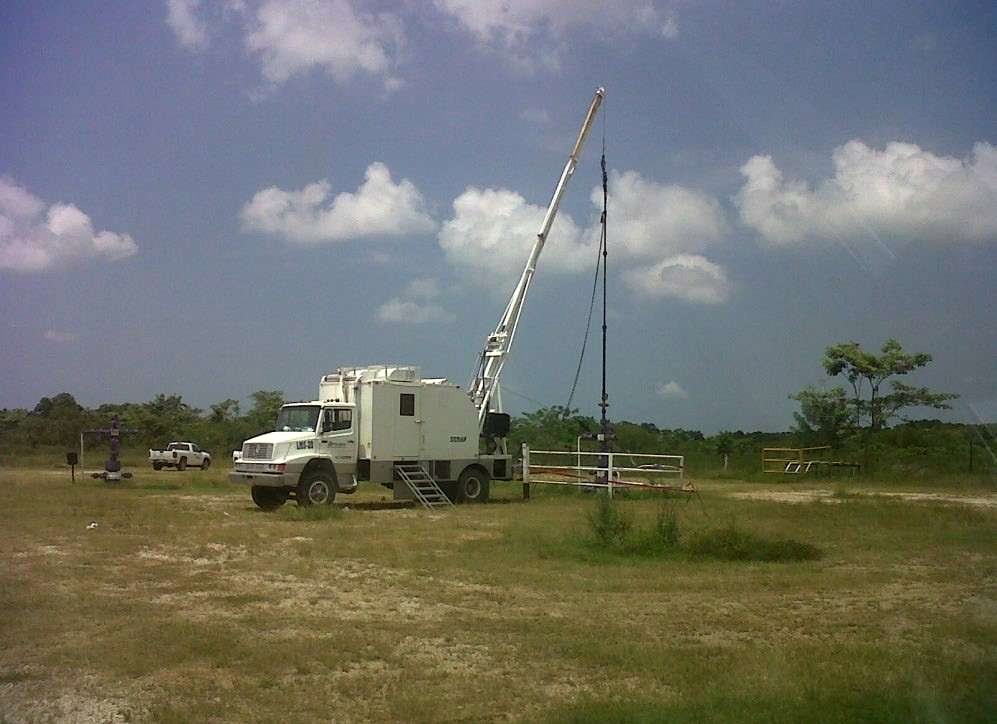
A service truck with its boom raised over a wellsite in open grassland
Every avoided job is one less truck on location
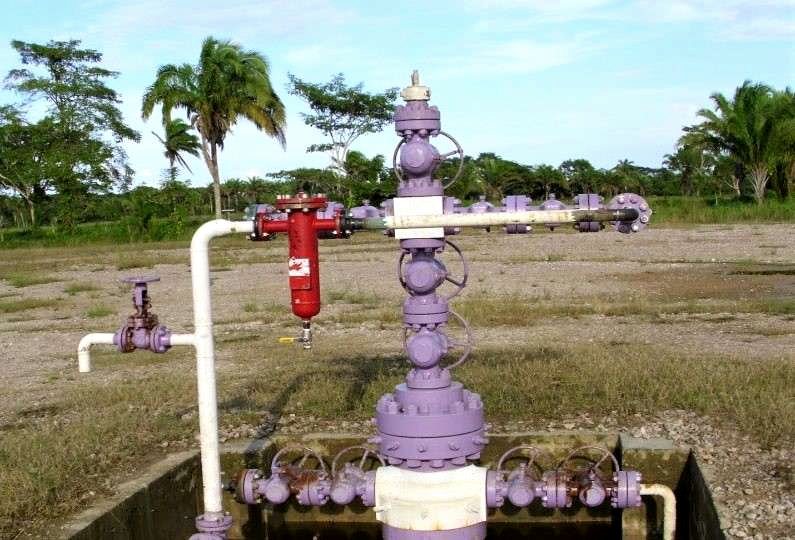
A purple-painted wellhead with valves and flowline at a tropical oilfield site
Producing wellhead after installation

Why it matters

Safer crews, cleaner leases, and older wells that stay in business.

Paraffin and scale are usually handled with heat, chemicals and steel: hot oiling, solvent and inhibitor programs, scraping and wireline runs, and eventually a workover. Each one puts people and fluids on location. Rhino Flo aims to make most of those visits unnecessary.

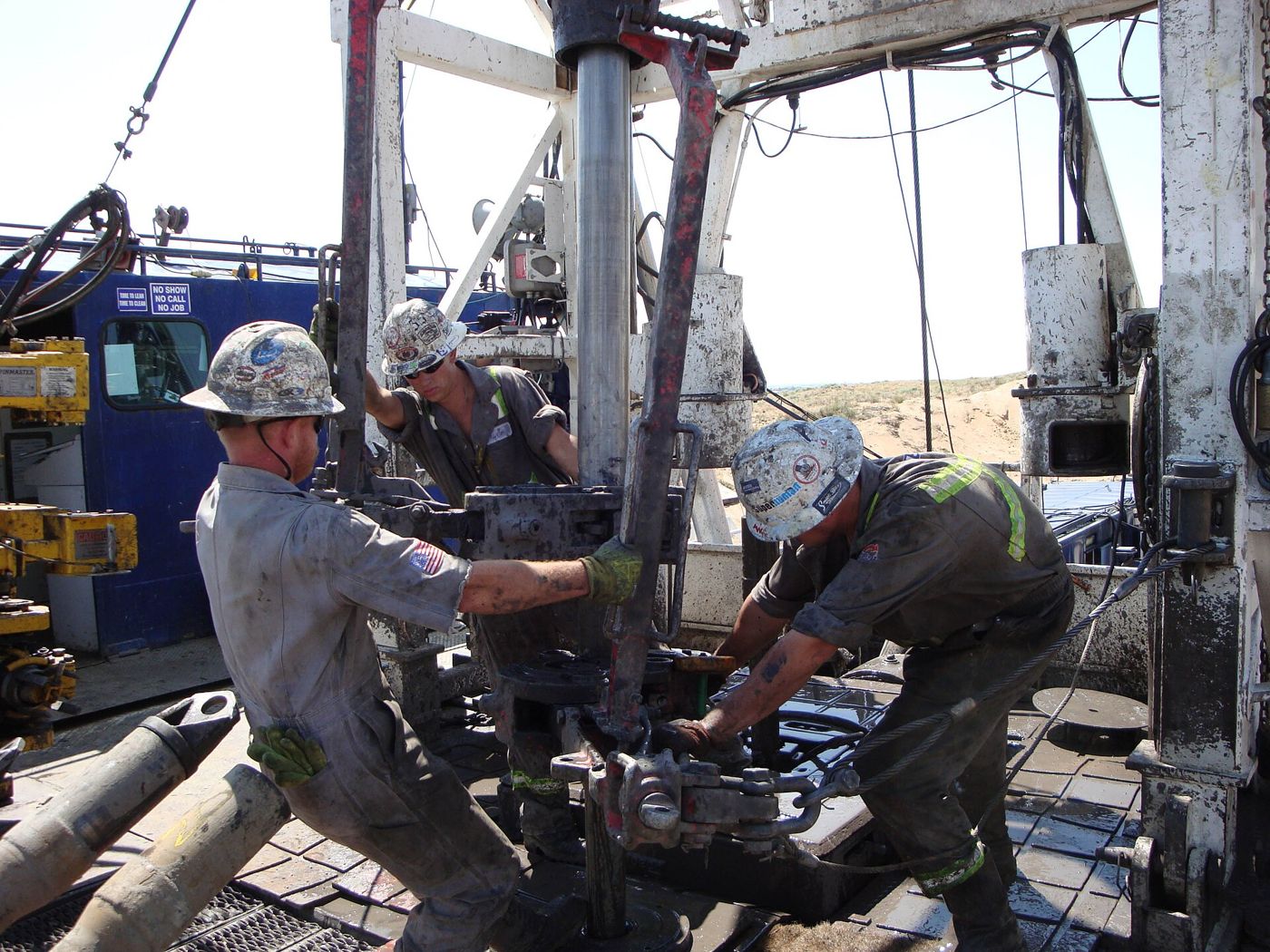
Three roughnecks in hard hats working together on a rig floor

Crew safety

Fewer interventions means fewer hours with people around hot oil, pressured lines, rigging and chemical transfers.

  • Fewer hot-oil and solvent jobs
  • Fewer wireline and scraping runs
  • Fewer pulls for corroded tubing
  • Less driving on lease roads, where much of the field's risk sits
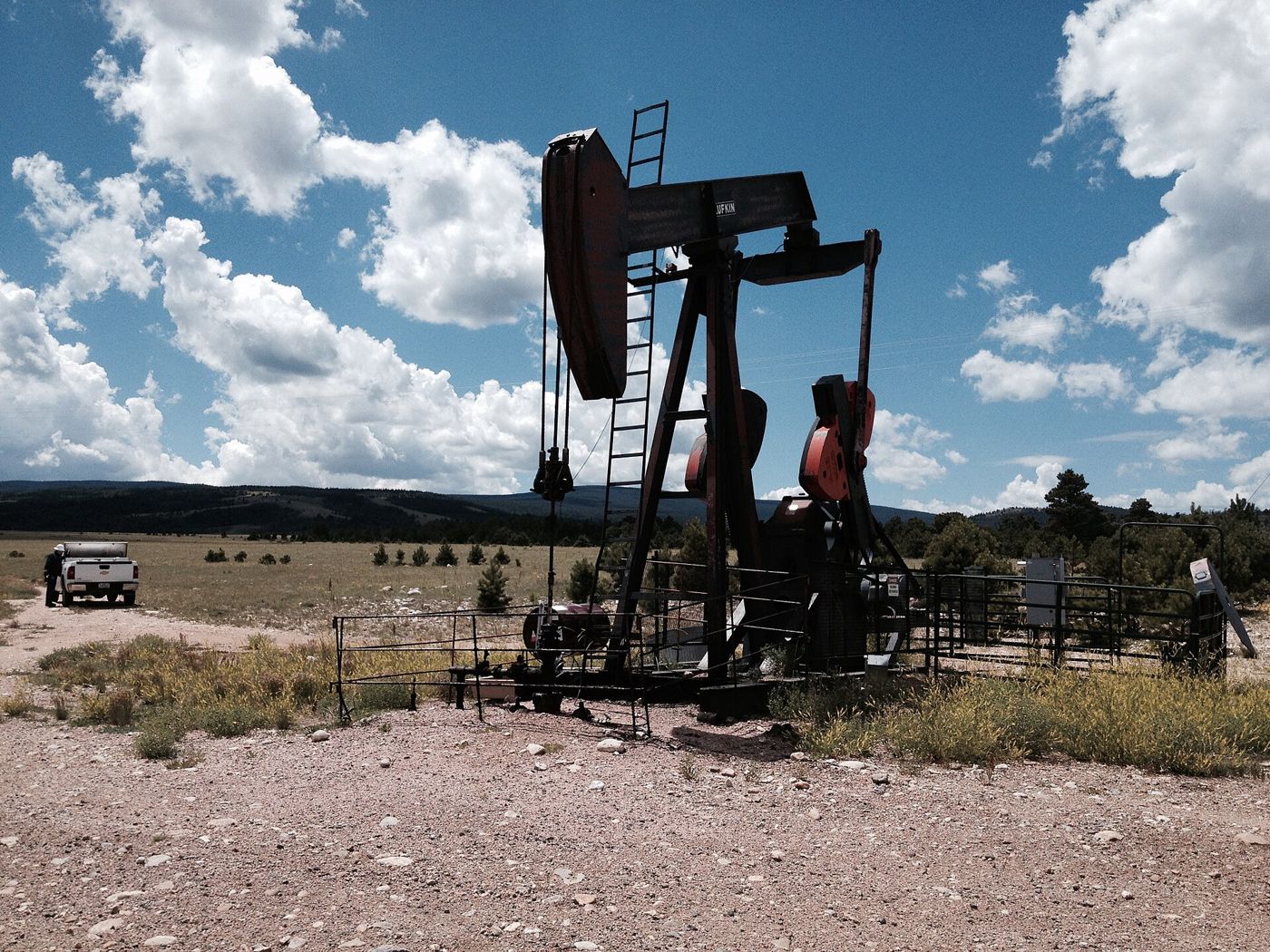
A pumpjack on open rangeland under a blue sky with tall white clouds

Environment

The tool adds nothing to the fluid. What stays off the lease never has to be stored, reported, spilled or disposed of.

  • No acids, solvents or inhibitors from the tool
  • Lower spill and exposure risk at the wellhead
  • Less diesel burned by service trucks and hot-oil units
  • Less produced water reported in two field cases
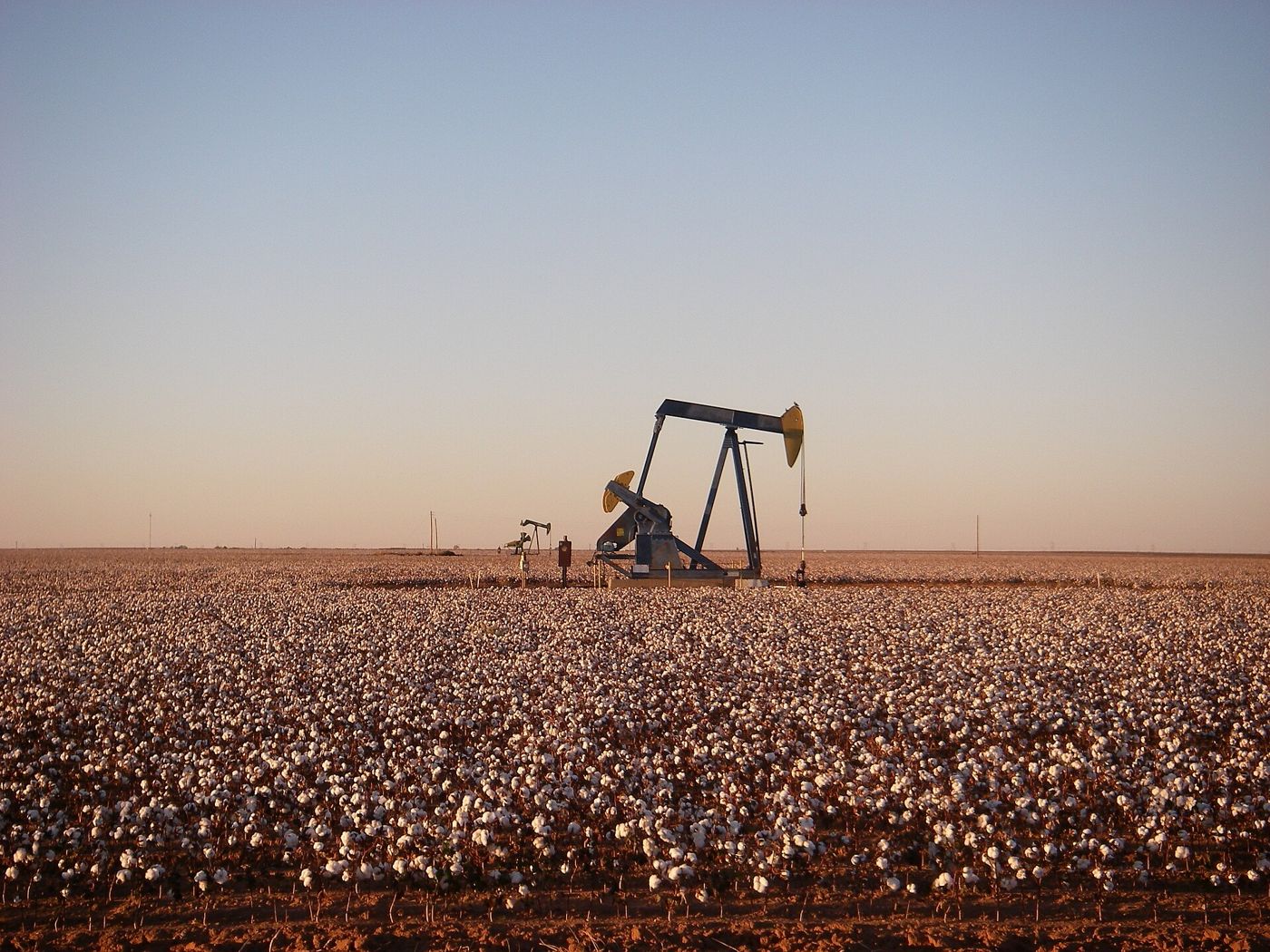
A pumpjack standing in a West Texas cotton field at dusk

Wells and communities

Marginal wells are often shut in because upkeep costs more than they make. Keeping them steady keeps their output, jobs and royalties.

  • More barrels from wells already drilled, with no new surface disturbance
  • Longer life for low-rate stripper wells
  • Steady income for royalty owners and local service jobs

Built for producing wells

More from the wells already drilled.

Every year a well stays economic is a year of production with no new pad, no new road and no new rig.

Oil and gas wells on public rangeland

How it works

A tough piece of metal in the right spot.

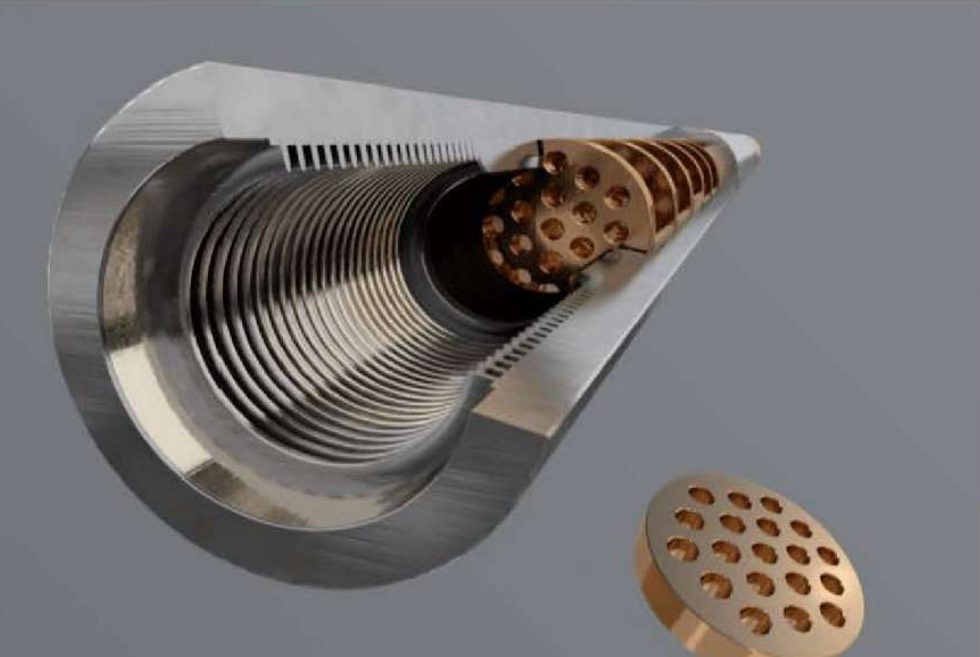
Cutaway render of the Rhino Flo tool showing the threaded steel body and perforated copper-coloured alloy discs inside
Cutaway: steel body with stacked, perforated alloy discs.
  1. Fluid meets the alloy

    Produced fluid jets through radially bored holes in an alloy of nine dissimilar metals, including copper, nickel and zinc.

  2. Deposits stay in suspension

    We believe the turbulent contact with the alloy keeps paraffin, asphaltenes and scale suspended so they travel up with the oil instead of sticking to the tubing. The exact mechanism is still being studied, and we say so.

  3. Placed below the wax line

    We find the wax appearance temperature, model the tubing temperature profile and set the tool below the depth where wax starts to form, at the nearest landing nipple.

  4. Then it is left alone

    It is run once on a normal tubing job. No power, no moving parts, no elastomers, and the flow area is sized so it does not restrict production.

Overview video · YouTube

Watch the overview

See the tool and the problems it solves

A short walkthrough of the tool, the paraffin, scale and corrosion problems it targets, and why it can replace hot-oil and chemical treatments. Recorded in 2019, when the tool was sold as Pc3.

Rhino Flo doesn't raise a well's potential. It lets the well produce at its potential, consistently. The claim we stand behind

Tools

Three designs, each built for the well it goes in.

Every tool is custom made from your completion data. Older wells can also get a strainer basket to catch scale that breaks loose once the tool is working.

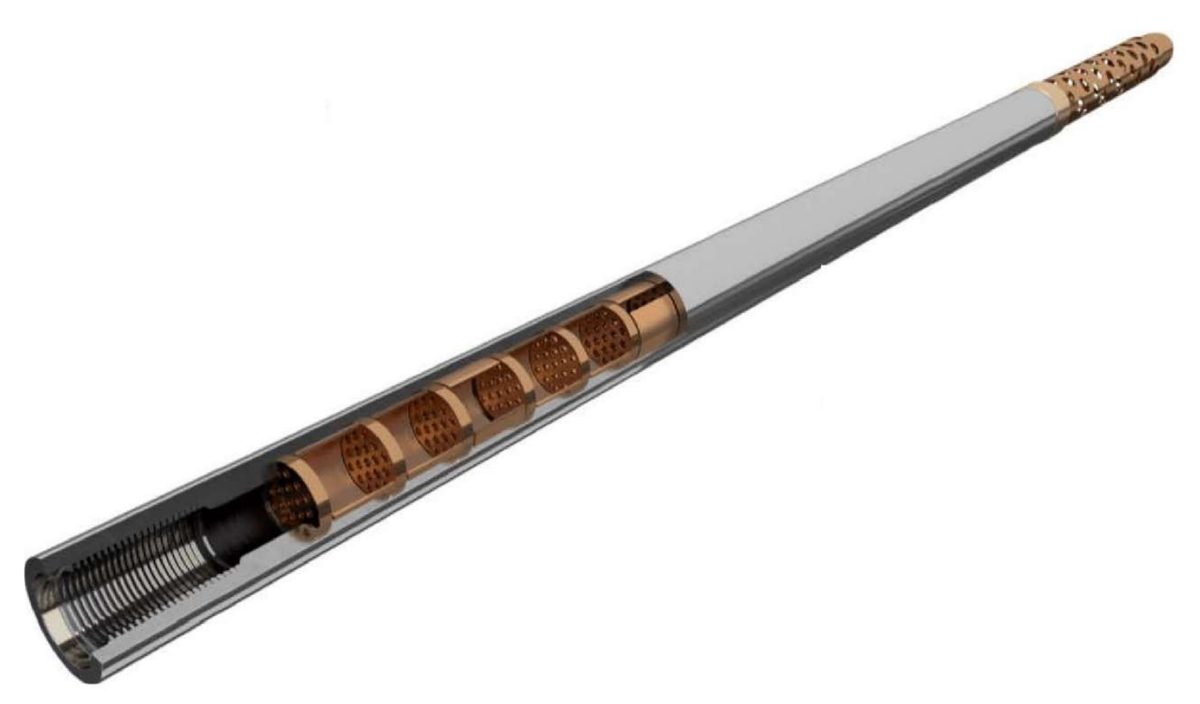
Render of the Rhino Flo through-tubing tool, a long steel tube with a cutaway showing alloy discs and a perforated nose
Through-tubing tool, cutaway view.

Most common

Through-Tubing

For existing wells. Set inside the production tubing with a pack-off and tubing stop, below wax onset depth.

2-7/8" tubing standard set2.500" ODStainless body

New or existing wells

In-Line

Made up as a section of the tubing string during a completion or workover. Used below a progressing cavity pump in the Venezuela corrosion case.

At the wellhead

Surface

A flanged bypass unit on the wellhead or flowline, for wells whose deposits form near surface or in the flowline.

Add-on

Strainer basket

Catches old scale and debris that the tool loosens in older wells, so it doesn't end up in surface equipment.

Field record

Four operators, four hard wells.

These results were recorded under the tool's earlier names (Pc3 and Silver Hawg). They are single-well field observations, not controlled trials, and we show where other changes happened at the same time.

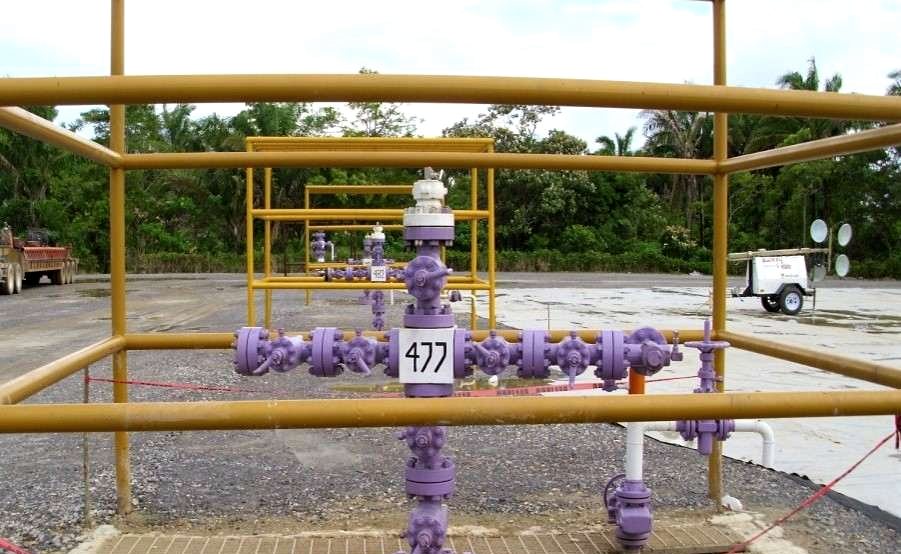
Wellhead number 477 inside a yellow safety frame on a gravel pad
Well 477, from the field installation archive
Shell NigeriaWell 59T · Paraffin
Installed 2002

The well had never run more than two months at a stretch since 1999 and needed monthly pigging. After installation it ran 90 days non-stop, and the tubing was mostly wax-free 15 to 16 months later. The trial was no-cure, no-pay. Shell reported over 50% savings against its chemical and equipment programs and planned 15 more wells.

A new insulated flowline was installed at the same time. Published in J. Petroleum & Gas Engineering 1(2), 2010.

570→3,155bbl/d reported
Peer-reviewed paper
Trinmar, TrinidadWell 832 · Paraffin
2008, offshore

Picked as the field's worst producer after several chemical programs had failed. It needed wireline cutting every six weeks even with chemical. After installation, three monthly checks found the tubing clean down to the tool at 5,704 ft. The local chemical supplier recommended the tool over its own products.

60→150bbl/d
12%→1%water cut
Operator / distributor letter
Pemex, Mexico6 wells · Paraffin & carbonate scale

Wells had been treated every 18 to 32 days. After installation, no further treatments were needed on the wells reported. Pemex later awarded a Framework Agreement allowing direct purchase without standard bidding.

+11% to +71%oil, by well
Operator field data
PDVSA, VenezuelaWell MPG-222 · Corrosion
2009–2010

A corrosion case, not a production case. The well had needed repeated tubing replacements for corrosion holes since 2004, with CO₂ above 10% and H₂S present. With an in-line tool below the pump, corrosion indicators fell sharply and the well stayed active without a corrosion workover for the 12-plus months of PDVSA's report. PDVSA recommended wider use.

>60→1.3ppm iron in produced water
>10%→<3%CO₂
Operator technical report

The latest data in this record is from 2010. We're running new, measured pilots with US operators in 2027 and will publish the results, good or bad. A full field-data review with sources is available to engineers on request.

Data

The numbers behind the field record.

Every documented installation with recorded results, from operator reports, a peer-reviewed paper and a distributor case history. We show the data as the sources give it, including the gaps.

10wells with documented results across 4 operators in 4 countries, 2002–2010
8 of 8Pemex, Trinmar and PDVSA wells stopped needing scheduled treatments or tubing changes
~98scheduled treatments a year no longer needed across six Pemex wells
−96%iron in produced water at PDVSA MPG-222, a direct sign of less tubing corrosion

Pemex: oil rate before and after

Average oil, bbl/d, six wells. Combined 798 → 1,019 bbl/d (+28%).

BeforeAfter
050100150200250San Andres-74San Andres-74 before: 42 bbl/dSan Andres-74 after: 71.66 bbl/d (+71%)71.66 (+71%)Blasillo-386Blasillo-386 before: 86.2 bbl/dBlasillo-386 after: 136.5 bbl/d (+58%)136.5 (+58%)Lacamango-107Lacamango-107 before: 125.3 bbl/dLacamango-107 after: 176.5 bbl/d (+41%*)176.5 (+41%*)Lacamango-117Lacamango-117 before: 133.1 bbl/dLacamango-117 after: 175 bbl/d (+31%*)175 (+31%*)Escolin-82Escolin-82 before: 185 bbl/dEscolin-82 after: 209.79 bbl/d (+13%)209.79 (+13%)Ogarrio-850Ogarrio-850 before: 226 bbl/dOgarrio-850 after: 250 bbl/d (+11%)250 (+11%)

* Lacamango figures from the Pemex narrative. The summary table in the same source gives lower values (+26% and +32%). Installation dates were not recorded.

Pemex: treatments avoided

Scheduled chemical, hot-oil or cleaning jobs per year that stopped after installation. Each one is a truck, a crew and a shut-in.

05101520Ogarrio-850Ogarrio-850: treated every 18 days, about 20 treatments a year avoided20 / yrEscolin-82Escolin-82: treated every 19 days, about 19 treatments a year avoided19 / yrSan Andres-74San Andres-74: treated every 20 days, about 18 treatments a year avoided18 / yrLacamango-107Lacamango-107: treated every 22 days, about 17 treatments a year avoided17 / yrLacamango-117Lacamango-117: treated every 29 days, about 13 treatments a year avoided13 / yrBlasillo-386Blasillo-386: treated every 32 days, about 11 treatments a year avoided11 / yr

365 ÷ the well's prior treatment interval (18 to 32 days).

PDVSA MPG-222: iron in produced water

ppm. A corrosion case: CO₂ above 10%, H₂S present, ~90% water cut. Baseline before the tool: over 60 ppm (Aug 2007).

010203040Jan 2009May 2009Sep 2009Jan 2010Tool installed13 Feb 200926 Mar 2009: >30 ppm iron>3027 Mar 2009: 6.4 ppm iron6.410 Apr 2009: 6.2 ppm iron15 May 2009: 4.2 ppm iron4.212 Jun 2009: 2.3 ppm iron2.310 Jul 2009: 1.5 ppm iron01 Dec 2009: 1.3 ppm iron1.3

Open marker is a lower bound. Readings settle after any well intervention; the report notes this for March 2009.

Shell Nigeria 59T

Wax onset (model)
835 ft
Wax found (gauge run)
700 ft
Run time before
< 2 months
Run time after
90 days non-stop

The placement model matched the field. That is the basis for setting every tool below the wax line.

Trinmar 832 wireline checks

10 Dec 2008
Clean to 5,600 ft
8 Jan 2009
Clean to 5,704 ft
20 Feb 2009
Clean to 5,704 ft
Before
Wireline every 6 weeks

5,704 ft is the top of the tool: no wax anywhere above it on three monthly runs.

PDVSA MPG-222 water chemistry

Langelier index
−3.1 → +0.23
Ryznar index
13 → 6.6
Pump current
65 → 33 A
Tubing failures
None in 12 months

Water moved from strongly corrosive to roughly balanced. Five tubing changes in the four years before.

Technical specifications

Spec sheet

Every tool is built to the well, so final dimensions and ratings come from our well review. These are the standard designs.

ConfigurationWhere it goesWellsHow it is runBody
Through-TubingInside production tubing, on a landing profile or collar stopExistingSlickline or coiled tubing, no rig304 stainless
In-LineMade up as a joint of the production stringNew or existingOn a scheduled tubing job304 stainless sleeve, custom size
SurfaceWellhead bypass or flowlineNew or existingFlanged, by surface crewCarbon steel ASTM A515 Gr 70; stainless inserts for CO₂/H₂S
Strainer basketIn line just after the treeOlder wellsSurfaceAccessory

Standard 2-7/8" through-tubing set

Pack-offHFPO 225023"Alloy toolDH-TTS 262584"Tubing stopAD2 254016"
ComponentODIDLength
HFPO 2250 high-flow pack-off2.500"1.188"23.0"
DH-TTS 2625 alloy tool2.500"1.000"84.0"
AD2 2540 tubing stop2.540"1.500"16.0"
Assembled set2.540" max≈123" (10.3 ft)

Common characteristics

Active element
Alloy of nine dissimilar metals, including copper, nickel and zinc; 22–28 perforated discs in the through-tubing tool
Moving parts, power, elastomers, chemicals
None
Flow area
Sized per well so the tool does not restrict production
Placement
100–500 ft below the predicted wax appearance depth, at the nearest landing profile
Surface unit pressure classes
Standard, 500 psi and 1,000 psi

Proven in the field

Oil rate
42 to 3,155 bbl/d
Crude
25 and 28.7 °API waxy crude; Orinoco heavy oil with diluent
Setting depth
5,704 ft and 6,008 ft (through-tubing); horizontal section (in-line)
Corrosive service
CO₂ >10%, H₂S ~2.5 ppm, chlorides 13,000–17,000 ppm
Setting
Onshore and offshore; wireline-accessible wells and PCP-lifted wells

Temperature and pressure ratings, sour-service status and sizing for your completion are confirmed in our well review. Engineers can request the full specification sheet and field data review.

Request the technical package

Pilot program

Prove it in your well, with your numbers.

We're signing a small group of Founding Field Partners: operators who run a measured pilot with us and share what they see. Each pilot follows the same protocol, so the result stands up in front of your engineers and your partners.

STEP 1

Baseline

Completion log, maintenance log, production history and what each hot-oil, chemical or scraping job really costs you.

STEP 2

Placement

Wax onset depth from your crude and temperature profile, and the right tool and setting depth.

STEP 3

Install

Run on a tubing job you already have scheduled, with our engineer on site for the first installs.

STEP 4

Monitor

Monthly production, wireline gauge runs, iron in water and corrosion coupons. An untreated comparison well where possible.

STEP 5

Full-cost result

Compare total cost per well, including downtime and lost production (the SPE 80903 method), not just the treatment invoice.

A weathered pumpjack on a working lease under a clear blue sky
Your well, your baseline, your numbers

A strong fit

  • Wells hot-oiled, chemically treated, scraped or wirelined every 20 to 60 days
  • Paraffin or asphaltene that forms downhole, below the surface
  • Carbonate scale or CO₂ / H₂S corrosion that drives tubing pulls
  • Low-rate wells where downtime decides if the well stays open

Probably not a fit

  • Wells that only wax at the surface or in the flowline (consider the Surface tool instead)
  • Wells with no deposit or corrosion problem today
  • Problems caused by the reservoir rather than the tubing

Ways to work with us

Buy it, rent it, or share the gain.

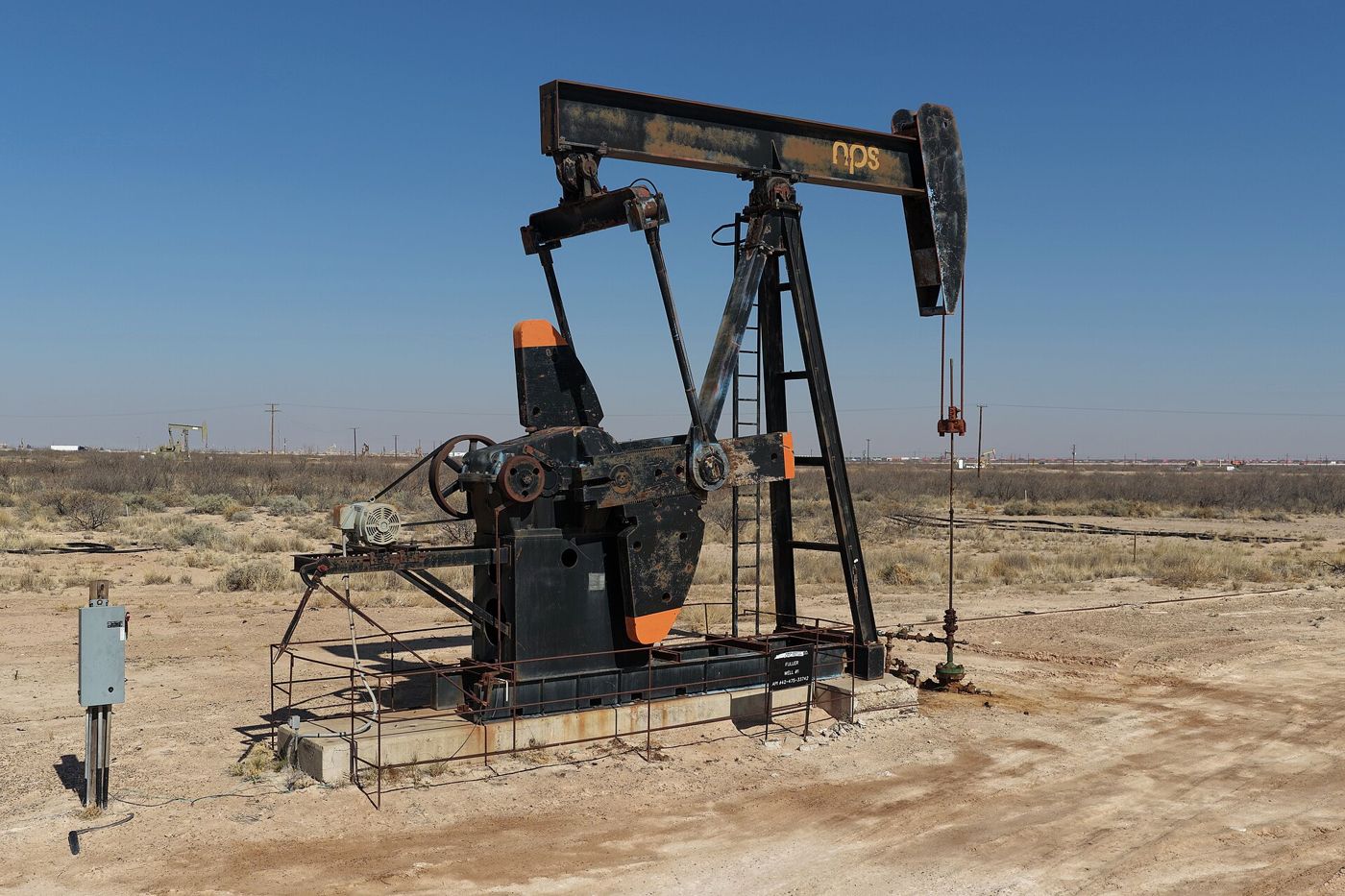
A pumpjack on a dry, flat lease in the Permian Basin under a clear sky

Purchase

Own the tool outright for wells you plan to run for years.

Rental

A monthly rate per well, for operators who'd rather keep it off the balance sheet.

Production share

Little or nothing up front. We share in the production the well gains, so we only do well when you do.

Pricing depends on well design and program size. Ask us for a quote.

Talk to us

Send us one problem well.

Tell us about the well that costs you the most to keep running. We'll tell you plainly whether Rhino Flo is likely to help, and what a pilot would look like.

  1. Location, depth and tubing size
  2. What builds up: paraffin, scale or corrosion
  3. How often you treat it, and how
  4. Current production and water cut
Rhino Flo
Pilot and sales enquiries
Phone · Jack A. Ritter, President +1 832 657 2866
Offices Houston · San Antonio · Mexico City